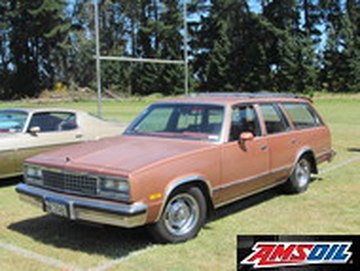
Engine Lubrication and Maintenance for the 1982 Chevrolet MALIBU 3.8L
Maintaining a vehicle from the early 1980s requires a proactive approach to fluid management and mechanical inspection. For the 1982 Chevrolet MALIBU equipped with the 3.8L engine, consistent attention to lubrication is a fundamental aspect of long-term engine health. Because older engines may exhibit different sealing characteristics than modern counterparts, understanding how to monitor and respond to changes in lubricant condition is essential for any owner.
Monitoring Fluid Integrity and Potential Leaks
One of the most effective ways to manage an aging engine is through regular visual inspections of the lubrication system. Rather than waiting for a warning light or a significant drop in fluid levels, owners should periodically check for signs of seepage. When inspecting the engine bay, look for any evidence of oil residue on various surfaces or pooling around the base of the engine.
If you notice wetness around gaskets or seals, it may indicate that these components are beginning to age. It is important to note that a small amount of seepage does not always signal an immediate failure, but it does warrant closer monitoring. If fluid accumulation increases or if you notice oil spots on your driveway, a more thorough investigation into the source of the leak should be conducted. Additionally, checking the appearance of the oil on the dipstick can provide clues; oil that appears excessively dark, gritty, or has a strong odor may indicate that the lubricant is reaching the end of its effective service life.
Managing Engine Lubrication Requirements
The 3.8L engine in this Chevrolet MALIBU relies on clean, high-quality oil to manage internal friction and heat. As engines age, the physical properties of the lubricant become even more critical. While modern oils offer various formulations, including synthetic and synthetic blends, the primary goal is to match the lubricant to the specific needs of the application.
Some owners choose to use high-mileage oil formulations, which often contain additives intended for use in aging engines. These formulations may include seal-conditioning agents that can help maintain the flexibility of various gaskets and seals. However, the most important factor is ensuring that any lubricant used meets the appropriate quality standards and matches the specific requirements for this engine. Always refer to the application-specific information provided on this page to ensure you are using the correct specifications for your 1982 Chevrolet MALIBU.
Observing Potential Warning Signs
While many lubrication issues can be caught during a routine visual check, some symptoms may only become apparent while the vehicle is in operation. It is vital to remain observant of how the engine behaves during different driving conditions. If you notice any unusual mechanical noises that coincide with changes in engine speed or temperature, these should be investigated promptly.
Changes in how the engine consumes oil are also significant indicators. If you find yourself needing to add lubricant more frequently than usual, this could be associated with various factors ranging from minor seepage to internal component wear. Furthermore, if you observe any unusual smoke from the exhaust, it may indicate that oil is entering the combustion process. Because these symptoms can have multiple underlying causes, they should not be used to diagnose a specific part without a professional inspection. Promptly addressing these signs can prevent more significant mechanical complications down the road.
Prioritizing Long-Term Engine Care
For owners of a 1982 Chevrolet MALIBU, establishing a maintenance baseline is a practical way to manage the vehicle's longevity. If you do not have a complete service history for the vehicle, your first priority should be to document all upcoming fluid changes, filter replacements, and inspections. This creates a roadmap for future maintenance and helps you identify when patterns of consumption or leakage begin to emerge.
When deciding how to prioritize repairs or maintenance tasks, it is often most effective to address active issues first—such as visible leaks or significant changes in fluid condition—before moving on to purely preventive measures. As the vehicle continues to age, you may find that your maintenance focus shifts from routine interval-based service to more frequent inspections of aging materials like hoses and belts (if equipped). By focusing on the current condition of the engine rather than just its age, you can make more informed decisions about where to allocate your time and resources.
Routine Inspection of Related Components
While oil maintenance is a primary concern, the overall health of the engine depends on several interconnected systems. During an oil service, it is a good practice to inspect other accessible components that are subject to heat and vibration. For example, if the vehicle is equipped with various drive belts, check them for signs of cracking, glazing, or fraying. Similarly, inspecting hoses for any signs of brittleness or swelling can help prevent unexpected cooling or vacuum issues.
Electrical connections and wiring harnesses should also be checked for signs of corrosion or wear, as these can impact the overall performance and reliability of the engine management systems. Maintaining a clean environment around the engine by removing accumulated debris can also assist in better heat management and make it easier to spot new leaks as they develop.
Practical Advice for Buying Engine Oil for your 1982 Chevrolet MALIBU 3.8L
When you are ready to replenish your engine's lubricant, the most important step is to ensure that the product you purchase is compatible with your specific application. Do not rely on general automotive knowledge or assumptions based on the vehicle's age to select a grade. Instead, match the engine oil to the application-specific viscosity information shown above on this page.
Before finalizing your purchase, carefully check the product labeling to verify that it meets the necessary quality certifications. Depending on your specific maintenance goals and the current condition of your engine, you may choose between conventional, synthetic blend, or full synthetic options. If you are managing an older engine with higher mileage, you might also consider looking at high-mileage formulations that include seal-conditioning additives. Regardless of the type you select, always prioritize the viscosity and specifications listed in the application data provided here to ensure the best possible protection for your 3.8L engine.